
Glasses or Contacts – How to Choose
Apr 5, 2022
2 min read
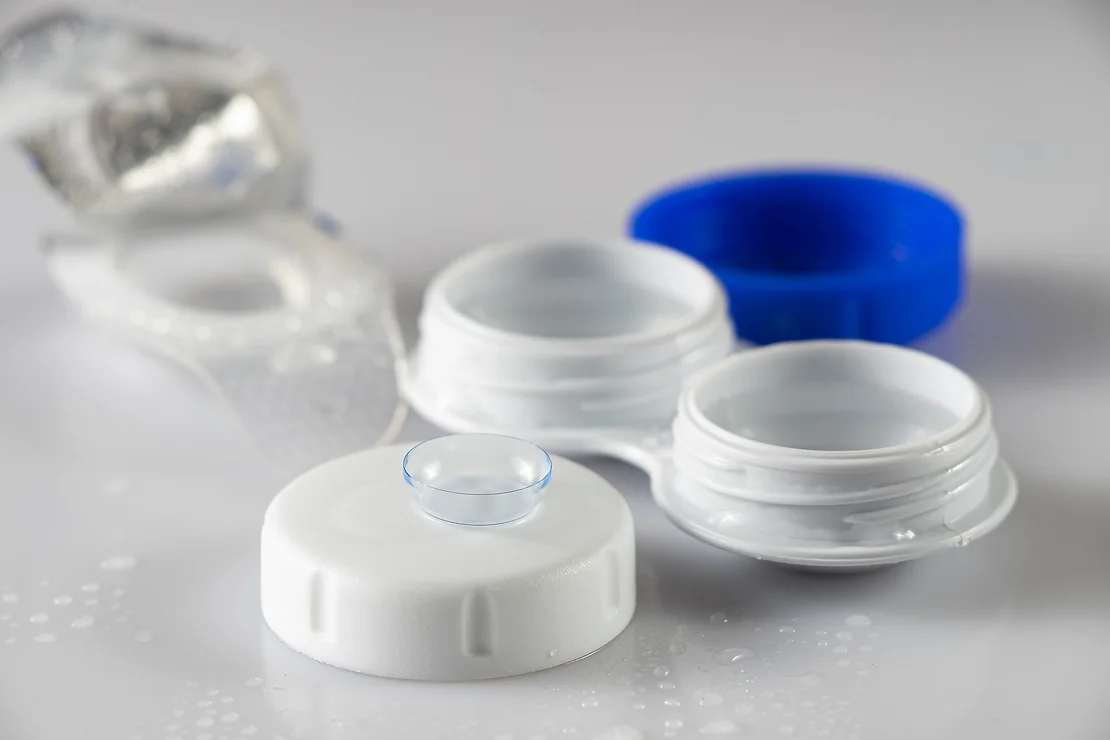
If you’ve seen your eye professional and they determined you need corrective lenses, you may be faced with the need to choose between glasses or contacts. As your local optician offering designer frames, and contact lenses, Suburban Opticians is here to help you find the perfect option for you.
Keep in mind, one isn’t better than the other. You will need to consider comfort, your lifestyle, and your budget as you make the decision.
Glasses
Benefits
When it comes to glasses, one of the biggest benefits is budget. Because you buy them once and not continuously, glasses are the most affordable option.
They also require less cleaning and maintenance. And because you don’t touch your eyes when you put them on, there is a decreased risk of eye infections.
You can choose photochromic lenses – more commonly known as transition lenses.
These lenses become darker as they are exposed to UV light, and transition back to clear when they are indoors.
They protect your eye and eyelids from UV light.
Glasses are also an attractive and popular accessory. They can serve as an extension of your personality and make an exceptional fashion statement.
Drawbacks
Glasses do come with drawbacks. First, they can impact your vision. If you have been diagnosed with astigmatism or a strong prescription, your vision could become distorted at the outer edges of the glasses. And if you are active, traditional glasses may hinder your performance by breaking, fogging up, or slipping.
Contacts
Benefits
Did you know contacts were first thought of by Leonardo da Vinci in 1508? It wasn’t until 300 years later that they were finally developed in 1887. The first contacts were made of glass, and the first plastic contacts were made in 1939. Soft contacts were first introduced in 1971. You can see the full history of contacts here.
Contacts now come with a variety of options and benefits, especially their versatility. You can choose contacts that are worn daily, and then disposed of, or those you switch out each month.
Contacts also give you a full field of vision. As the lens moves with your eye your vision is always sharp, even when you use your peripheral vision.
They also don’t distort or reflect light like glasses.
And if you choose contacts, you’ll be in good company. The American Optometric Association reports that 45 million Americans wear contacts.
Drawbacks
The biggest drawbacks to contacts are their expense, and they are more work to keep clean and sanitary.
When contacts aren’t cleaned properly or disposed of after their useful life, wearers open themselves up to the risk of eye infection and dry eye. This can hinder your ability to see.
And because you have to buy new contacts, they end up being more expensive than glasses.
If you’re ready to start the conversation, please give us a call to schedule your eye exam. We will give you a complete eye exam and if you need corrective lenses, we can help you decide whether glasses or contacts are right for you.
Recent Posts

TRUNK SHOW: Explore Designer Frames Galore!
| Designer Frames, luxury eyewear, Sunglasses
Elevate Your Eyewear: Why Designer Frames Are a Must-Have
| Designer Frames, Eye Care, Glasses, luxury eyewear, Sunglasses