What is Visual Acuity? (And Why 20/20 Isn’t Everything)
Jan 27, 2026
Having 20/20 vision is great, but it does not guarantee your eyes are healthy. Visual acuity only measures sharpness, missing vital factors like peripheral vision and retinal health. Learn why relying on the Snellen chart isn't enough and why a comprehensive exam at Suburban Opticians is vital for total wellness.
You likely pride yourself on having perfect 20/20 vision. You have never needed glasses. You can read road signs from a distance without squinting. It feels natural to assume that because you see clearly, your eyes are perfectly healthy. This is a common misconception we encounter at Suburban Opticians in University Place.
Clear sight is wonderful, but it is not the same as eye health. The term visual acuity refers specifically to the clarity or sharpness of your vision. It measures how well you can identify shapes and details at a specific distance. While this measurement is important, it is only one piece of a much larger puzzle. Many patients in Pierce County walk into our office with “perfect” vision but still struggle with headaches, eye strain, or hidden conditions. Understanding what acuity really means can help you make better decisions for your long-term wellness.
Decoding the Numbers: What Does 20/20 Actually Mean?

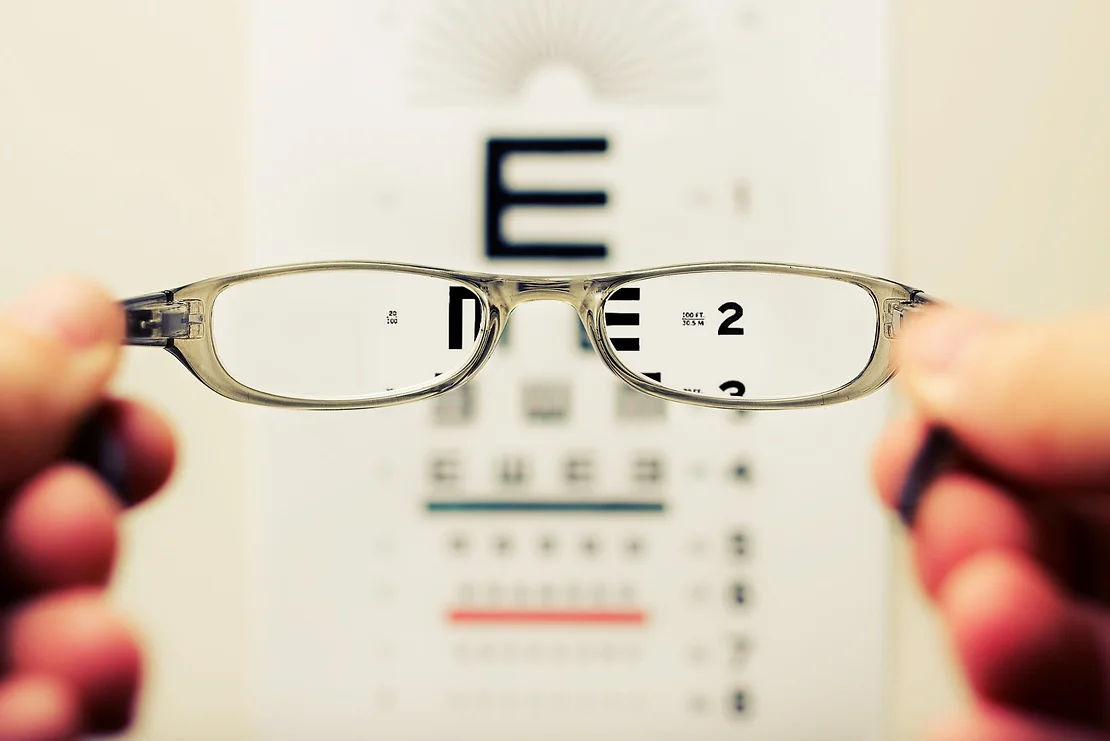
Most people recognize the Snellen chart. This is the poster with the big “E” at the top that gets progressively smaller as you read down. Eye care professionals use this chart to determine your visual acuity. The resulting number is a fraction that compares your vision to a standard norm.
The top number is always 20. This represents the distance in feet between you and the chart. The bottom number indicates the distance at which a person with normal vision can read the same line. If you have 20/20 vision, you can see at 20 feet what a normal eye can see at 20 feet.
If your vision is 20/40, it means you must stand 20 feet away to see an object that a person with normal vision could see from 40 feet away. In this case, your vision is not as sharp. Conversely, some people have 20/15 vision. They can see details at 20 feet that most people would need to be 5 feet closer to distinguish. According to the American Academy of Ophthalmology, having 20/20 vision does not necessarily mean you have “perfect” vision. It simply means your central viewing sharpness is normal at a distance.
The “20/20 Myth”: What Visual Acuity Doesn’t Measure
Focusing solely on that 20/20 number can be misleading. Acuity is a static measurement. It tests how your eyes perform while you are sitting still and looking at a high contrast black and white chart. It does not account for how your eyes function in the real world.
Your daily life in Tacoma requires more than just static sharpness. Driving down I-5 in the rain or navigating a busy grocery store requires a complex set of visual skills. Visual acuity tests do not measure the following essential functions:
- Peripheral Vision: This is your side vision. It allows you to sense motion and objects that are not directly in front of you.
- Depth Perception: This helps you judge how far away an object is. It is crucial for driving and sports.
- Color Vision: This is the ability to distinguish between different colors and shades.
- Focusing Ability: This determines how quickly and accurately your eyes can shift focus from a near object to a far object.
You might have visual acuity on the Snellen chart, but still struggle with these functional skills. If your depth perception is off or your eyes do not work well together, you may experience fatigue or difficulty with coordination. This is why Suburban Opticians focuses on fitting designer eyewear and lenses that support your total visual system, not just your visual acuity.
“I See Fine”—Why You Still Need a Comprehensive Eye Exam

There is a significant difference between a vision screening and a comprehensive eye exam. Screenings are common in schools or at the DMV. They usually check only for acuity. They determine if you can see the board or read a traffic sign. They do not check the physical health of the eye.
Many serious eye diseases do not affect your vision in the early stages. You can have 20/20 vision and still develop conditions that threaten your sight. Glaucoma is often called the “silent thief of sight” because it damages the optic nerve and peripheral vision slowly. You might not notice the change until it is significant. Similarly, issues like retinal tears or holes are painless and invisible on a standard letter chart.
Systemic health issues also show up in the eyes. Conditions like diabetes and hypertension often present early signs in the delicate blood vessels of the retina. A doctor looking only at how well you read a chart will miss these warning signs.
This is why Suburban Opticians partners with Chous Eye Care for in house exams. A comprehensive exam involves dilation and advanced imaging. It allows the doctor to inspect the retina, the optic nerve, and the blood vessels. It ensures that your eyes are healthy from the inside out. The American Optometric Association recommends regular comprehensive exams regardless of how clear your vision seems to be.
Visual Acuity and the Digital Age

Modern lifestyles have changed the way we use our eyes. You might have perfect distance vision, but that does not protect you from digital eye strain. We spend hours every day focusing on screens at a close distance. This requires intense and sustained effort from the eye muscles.
Patients often visit us complaining of dry eyes, headaches, and blurred vision after a long workday, even if they technically have 20/20 vision. This is often due to the blue light emitted by screens and the reduced blink rate that occurs when we concentrate on digital devices.
Standard “perfect” vision does not account for this near visual stress. You may benefit from lenses designed specifically for computer use. These can include anti-reflective coatings or blue light filters that relax the eyes and improve contrast.
Finding the right solution often starts with understanding that your lifestyle matters as much as your prescription. Whether you wear contact lenses or glasses, the goal is visual comfort, not just chart performance.
Expert Eye Care in University Place

Residents of University Place and the greater Pierce County area rely on Suburban Opticians for more than just a quick vision check. We believe in a holistic approach to eye care. Technology has advanced far beyond the basic Snellen chart.
Through our association with Chous Eye Care, patients have access to retinal imaging and thorough health assessments. Once your prescription and health needs are determined, the focus shifts to finding the perfect frame and lens combination.
We offer a curated selection of frames that fit your face and your lifestyle. We also provide an on site lab for high quality edging and repairs. When you choose Suburban Opticians, you are choosing a partner who understands that clear vision is only the starting point.
If you have been relying on a simple screening to judge your eye health, it is time to look deeper. Do not settle for just seeing clearly. Ensure you are seeing healthily. Contact us today to learn more about our services or read our reviews to see why locals trust us with their vision.