Want in on the Hottest Trends?
Aug 30, 2023
Trends can seemingly change with the wind. One minute things are all big and bold, and the next minute, the slightest details take center stage. How do we stay on top of what’s in? The answer is simpler than you think! Just like fashion, eyewear trends and styles have changed considerably over the years. Today,…
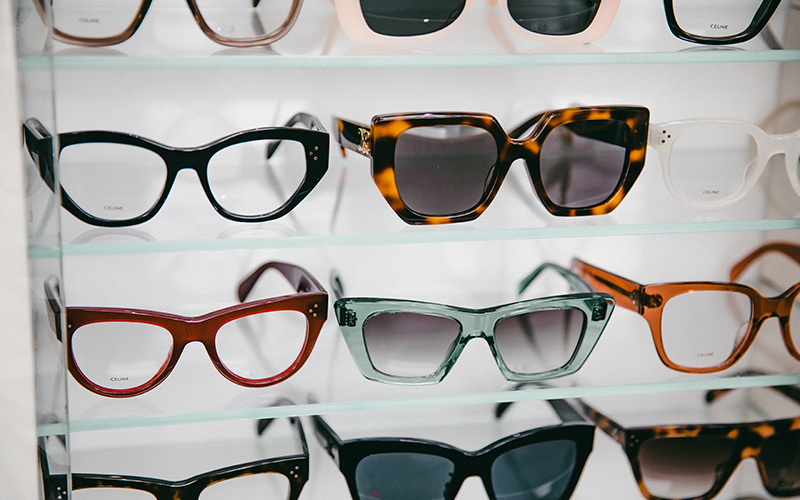
Trends can seemingly change with the wind. One minute things are all big and bold, and the next minute, the slightest details take center stage. How do we stay on top of what’s in? The answer is simpler than you think!
Just like fashion, eyewear trends and styles have changed considerably over the years.
Today, eyewear is seen as more than just a necessity, and is worn as a way to express one’s personal style. With a frame for nearly everyone, eyewear exists as a form of functional fashion and can be mixed up as regularly as coats, earrings and any other item of clothing.
Trends often resurface over time, and eyewear is not exempt from that.
There are plenty of choices to try on if you’re someone who wishes to change up their look with the season, but if you’re also budget conscious and looking to hang onto the frames that hold your current prescription, your current eyewear should last you an average of one to three years (sometimes more with the right treatment). If you’re unsure about how often you should get new frames, consider switching them out after the three-year mark, or when you notice any problems with your glasses or vision. Many manufacturers offer warranties, so be aware of those benefits before you walk around with broken frames for 3 years!
Yearly Eye Exam
At your yearly comprehensive eye exam, the optometrist will investigate how your visual acuity has changed since your previous appointment. They may ask you questions such as:
- Do you have any concerns about your vision?
- Have you had any significant lifestyle changes since your previous exam?
- How have your computer habits changed since your last visit?
They may also inquire about whether you’ve had any new symptoms of vision loss, which may include blurry vision, frequent squinting, or keeping one eye shut to watch TV or read something on a screen. While these are usually signs of needing glasses, they can also indicate whether a change in prescription is needed at this time too.
Keep in mind that not everyone’s vision changes over three years. You might have the same prescription and need new glasses due to your frames wearing down. But if your prescription is different at your next eye exam, the eye doctor may suggest new frames that can handle your vision requirements. The most important thing in keeping on trend with eyewear is choosing a frame that makes you feel your best. This is YOUR face after all! The trend that is hottest on you is the trend that makes you stand taller, feel great, and see yourself taking on every task ahead of you in style.
The Suburban Opticians difference revolves around a superior level of eye care, uncompromising service, tremendous selection of distinctive eyewear, and exceptional professional expertise, which is all centered on our patients’ care, comfort, and style. We want you to leave looking and feeling your best. Come see us!
Recent Posts

TRUNK SHOW: Explore Designer Frames Galore!
| Designer Frames, luxury eyewear, Sunglasses
Elevate Your Eyewear: Why Designer Frames Are a Must-Have
| Designer Frames, Eye Care, Glasses, luxury eyewear, Sunglasses